


Kids love to draw, but a blank page can stop them cold. Here are 100 drawing ideas for kids from toddlers to teens, each with ages, what you need, and how to do it. They run from messy scribbling for little ones to observation, perspective, and lettering for older kids.
The ideas are grouped by age, though most can be adapted up or down. Click a thumbnail or the source link under each idea to see the full tutorial. Looking for something more low-key? Try these sketchbook ideas.
Quick-pick drawing ideas for kids
| Idea | Best for | Time | Materials |
|---|---|---|---|
| #1 Mess-Free Paint Drawing | Ages 2-5 | 10-15 min | Zip bag, washable paint, tape |
| #11 Foil Scribbling | Ages 2-5 | 10 min | Foil, markers |
| #23 Household Object Drawing | Ages 4-12 | 15-20 min | Paper, markers, household items |
| #15 Crayon Transfer Drawing | Ages 5-10 | 20-30 min | Crayons, copy paper, pencil |
| #57 Speed Drawing | Ages 5+ | 10 min | Paper, pencil, timer |
| #25 Double Doodling | Ages 6+ | 10-15 min | Paper, two markers |
| #41 Contour Line Shoes | Ages 8-10 | 20-30 min | A shoe, paper, pencil |
| #52 Abstract Shadow Tracing | Ages 4-12 | 30 min | Flashlight, objects, markers |
| #61 Grid Drawing | Ages 8-12 | 30-45 min | Photo, ruler, pencil |
| #75 Mandala | Ages 10+ | 30-60 min | Compass, pencil, fine pens |
Why is drawing good for kids?
- It trains the eye to see what is really there, not what you assume is there.
- It builds hand control and comfort with drawing tools.
- It is easy to start and stop. You can do it anywhere with paper and a pencil.
- Quick drawings make a good warm-up before other art, or a calm break.
- A drawing habit started in childhood can last a lifetime. Here are some health benefits of drawing.
How do you get a child started drawing?
Keep it low pressure. Ages: 2 and up. Time: 5-10 minutes to start. You need paper, a few washable markers or crayons, and a pencil.
- Put out paper and two or three drawing tools, and sit down to draw too.
- Offer a simple prompt, like “draw your pet” or “draw what’s on the table.”
- Ask about the picture instead of judging it (“tell me about this part”).
- Let them finish or stop when they want. Short and often works best.
I have the ideas below loosely grouped by age, but feel free to try any drawing with any age kid and modify it to fit their interest and ability.
The ideas below are not all traditional drawing. There is a bit of everything, from drawing from observation to doodling on photos.
The 100 drawing ideas
What are easy drawing ideas for very young kids (ages 0-5)?
1. Mess-Free Paint Drawing2. Drawing From Life3. Draw With Blocks4. Preschool Sharpie Shoes5. Draw on Maps6. Mixed Media for Preschoolers7. Mixed up Hand Turkeys8. Toilet Roll Scribblers9. DIY Edible Finger Paint
- Mess-Free Paint Drawing (ages 2-5). Kids draw on a sealed bag of paint, like reverse finger painting, and watch the colors mix. You need: a zip-top freezer bag, 2-3 colors of washable paint, strong tape. How: Squeeze a few blobs of paint into the bag and seal it, pressing out the air. Tape it flat to a table or window. Kids draw with their fingers. Keep plastic bags away from babies and toddlers’ faces and supervise throughout. Source: Mess-Free Paint Drawing.
- Drawing From Life (ages 3-6). Young kids draw a real animal or object in front of them instead of a picture. You need: paper, a thick marker or crayon, a pet, toy animal, or piece of fruit. How: Set the subject where the child can see it. Say what you notice (round body, pointy ears). Let them draw whatever they see, with no corrections. Source: Drawing From Life.
- Draw With Blocks (ages 2-6). Blocks become drawing prompts and stencils. You need: building blocks, large paper, crayons or markers. How: Build a small tower or shape on the paper. Trace around the blocks, or draw what the shape reminds your child of. Take the blocks away and add details. Source: Draw With Blocks.
- Preschool Sharpie Shoes (ages 3-6, adult-run). Kids scribble on plain canvas or plastic shoes. The original used a paint marker on shoes. You need: plain white shoes, fabric or paint markers, newspaper. How: Work in a ventilated spot, such as by an open window, because paint markers have fumes. Let your child scribble freely. Let it dry fully before wearing, and keep markers out of mouths. Source: Preschool Sharpie Shoes.
- Draw on Maps (ages 3-7). A road map or atlas gives kids lines, shapes, and places to draw over. You need: a road map or old atlas, markers or crayons. How: Spread out a map. Follow roads with a marker, circle places you’ve been, and draw pictures for each place. Make a map of your own street next. Source: Draw on Maps.
- Mixed Media for Preschoolers (ages 3-5). Open-ended play with tape, charcoal, and chalk pastel. The original child chose the materials and an adult tore tape. You need: painters’ tape, a stick of charcoal, chalk pastels, heavy paper. How: Tear strips of tape and press them on the paper. Draw over and around them with charcoal. Add pastel and smudge. Peel the tape off at the end. Charcoal and pastel dust are messy. Source: Mixed Media for Preschoolers.
- Mixed-up Hand Turkeys (ages 4-8). Trace a hand, then draw silly extras on it. Works any time of year. You need: paper, pencil, markers or crayons. How: Trace your child’s hand. Turn it into a creature by adding feathers, eyes, and a beak. Decorate each finger differently. Source: Mixed-up Hand Turkeys.
- Toilet Roll Scribblers (ages 3-6). Bundle markers together to draw wiggly multi-line patterns. You need: an empty cardboard tube, several washable markers, tape, big paper. How: Tape markers around the tube or inside it so the tips stick out. Hold the bundle and scribble on a big sheet. Use caps off only with close supervision. Source: Toilet Roll Scribblers.
- DIY Edible Finger Paint (ages 1-3). A taste-safe no-cook paint for the youngest artists. The linked recipe is described for babies and toddlers. You need: a simple recipe such as yogurt or flour with food coloring, high-chair tray or paper. How: Mix the paint and let your child smear on a tray or paper. Check ingredients for allergens such as dairy and wheat. Edible does not mean choke-proof, so stay close. Source: DIY Edible Finger Paint.
10. Drawing With Paint11. Foil Scribbling12. Box Drawing13. Helmet Drawing!14. Scribbly Stenciled Hearts
- Drawing With Paint (ages 3-6). Use unusual tools to “draw” with paint. You need: washable paint, paper, items like string, sticks, or toy cars. How: Dip the tool in paint. Drag it across the paper to make lines. Compare the lines each tool makes. Source: Drawing With Paint.
- Foil Scribbling (ages 2-5). Markers glide differently on foil, which feels magical. You need: aluminum foil, markers (washable if possible). How: Tape a sheet of foil to a table, shiny side up. Scribble with markers. Rub it with a finger to smear the ink. Permanent markers stain, so cover the table. Source: Foil Scribbling.
- Box Drawing (ages 2-5). Kids draw on the inside of a big open cardboard box. You need: a large cardboard box with the top flaps open, washable markers. How: Lay the box on its side. Let your child sit in or beside it with markers. Never close the box with a child inside, and supervise closely with markers. Source: Box Drawing.
- Helmet Drawing (ages 5+). The original idea was drawing on helmets. Do not draw on a real safety helmet. You need: a play, costume, or paper-mache helmet (not a bike or sports helmet), markers or paint. How: Bicycle helmet safety experts warn that paints, markers, and adhesives can contain solvents that weaken a helmet shell and liner. Use a spare toy or craft helmet instead. Sketch designs first, then decorate it. Source: Helmet Drawing.
- Scribbly Stenciled Hearts (ages 4-8). A stencil heart gets filled with warm and cool scribbles, inspired by artist Jim Dine. You need: a heart stencil or cut-out, paper, crayons, watercolor. How: Trace the heart. Scribble inside it with warm colors and outside it with cool ones. Paint over with watercolor if you like; the wax resists the paint. Source: Scribbly Stenciled Hearts.
What are easy drawing ideas for young elementary kids?
15. Crayon Transfer Drawing16. Drawing With Yarn17. Falling Back Portraits18. Surprise Folded Creatures19. Draw While Listening to Book20. Crops Perspective Drawing21. Cave Drawings22. Popsicle Stick Tracing23. Household Object Drawing
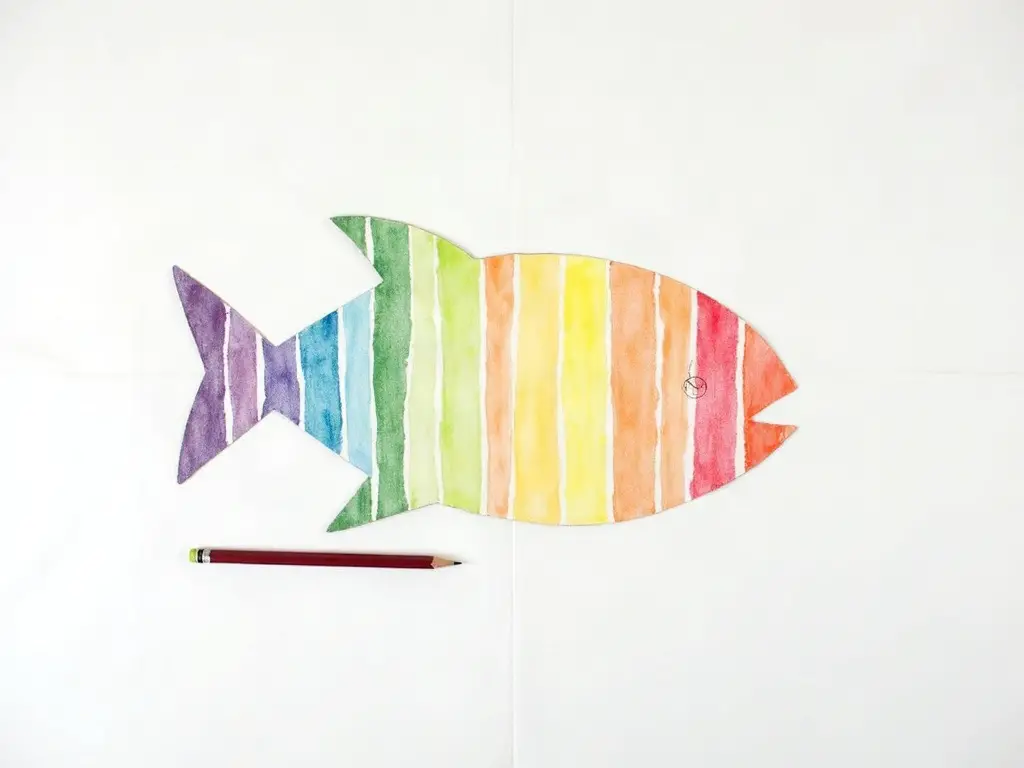
- Crayon Transfer Drawing (ages 5-10). Coat a sheet with crayon, then draw on the back to transfer color to a second sheet. It looks a bit like scratchboard in reverse. You need: crayons, thin copy paper, a second sheet of blank paper, pencil or ballpoint pen. How: Press hard to cover one sheet with rainbow stripes or blobs of crayon. Brush off loose wax bits. Place it crayon-side down on a blank sheet and draw firmly on the back with a pencil. Lift the top sheet to reveal the drawing. Source: Crayon Transfer Drawing.
- Drawing With Yarn (ages 3-7). Yarn “lines” inspired by Harold and the Purple Crayon. You need: yarn, white glue, cardboard or paper. How: Draw a simple picture in glue. Press yarn along the glue lines. Let it dry flat. Source: Drawing With Yarn.
- Falling Back Portraits (ages 7-9). A perspective portrait: a face seen from below, as if falling into space. You need: pencil, paper, markers or crayons. How: Draw a big face tilted back with a large chin. Keep the features small at the top of the head. Add space shapes around it. Source: Falling Back Portraits.
- Surprise Folded Creatures (ages 5-10). A folded-paper drawing where a friendly animal hides a set of sharp teeth. You need: paper (regular drawing or printer paper), pencil, black marker, colored markers. How: Fold the paper in half, then fold the edges back in one or two more folds. Draw an animal face across the folds, with a mouth along a crease. Open it to reveal the surprise, then color in. Source: Surprise Folded Creatures.
- Draw While Listening to a Book (ages 4-10). Read a book aloud and let kids draw what they picture. You need: paper, markers or pencils, a picture book or chapter book. How: Start reading. Let kids draw as they listen. Afterward, compare drawings. Source: Draw While Listening to a Book.
- Crops Perspective Drawing (ages 6-8). Rows of crops get smaller toward the horizon, which shows perspective. You need: paper, pencil, crayons. How: Draw a horizon line. Draw lines from a point on the horizon down to the bottom to make rows. Make the rows narrower near the top. Color in. Source: Crops Perspective Drawing.
- Cave Drawings (ages 5-9). Draw animals like early people on a crumpled “cave wall”. You need: brown paper bag or kraft paper, chalk or pastel, charcoal. How: Crumple the paper and flatten it. Draw simple animals in bold lines with chalk. Add handprints. Source: Cave Drawings.
- Popsicle Stick Tracing (ages 4-12). Trace craft sticks, overlap the outlines, and color in the shapes. You need: craft sticks (jumbo or regular), paper, markers in several colors. How: Drop a few sticks on the paper and trace around each with a different color. Overlap them. Fill the shapes however you like. Adults can join in. Source: Popsicle Stick Tracing.
- Household Object Drawing (ages 4-12). Put an object on the paper, trace it, and turn it into part of a drawing. You need: paper, markers, kitchen utensils, toys, or other safe household items. How: Place an item on the paper and trace it. Turn the outline into something new, such as a spoon becoming a tree. Try swapping items or a topic like animals. Source: Household Object Drawing.
24. Chalk Pastel Monsters25. Double Doodling26. Skyscraper Drawings27. Bird and Word Drawings28. Hand Shadow Monsters29. Van Gogh Sunflowers30. Finish the Leaf Drawings31. Tips for Self Portrait Drawings32. Mirror Symmetry Drawing
- Chalk Pastel Monsters (ages 6-9). Bold colorful monsters in chalk pastel. You need: black paper, chalk pastels, pencil. How: Sketch a monster shape. Add eyes, teeth, and horns. Fill in with pastel. Chalk dust is messy but non-toxic when labeled so. Source: Chalk Pastel Monsters.
- Double Doodling (ages 6+). Draw with both hands at once, mirroring each other. You need: big paper, a marker in each hand. How: Hold a marker in each hand. Start in the middle and draw the same shape with both hands at once. Try spirals, waves, and flowers. Source: Double Doodling.
- Skyscraper Drawings (ages 6-8). Tall buildings drawn in marker, then painted. You need: paper, black marker, watercolors, black paper, pastels. How: Draw tall rectangles with windows. Paint them with watercolor. Cut them out and mount on black paper, then add a night sky. Source: Skyscraper Drawings.
- Bird and Word Drawings (ages 8-11). Words from a poem become part of the drawing. You need: paper, pencil, a short poem, fine pen. How: Pick a poem about a bird. Draw the bird. Write the lines of the poem along the outline of the bird or inside its shape. Source: Bird and Word Drawings.
- Hand Shadow Monsters (ages 5-10). Trace the shadow your hands cast and turn it into a monster. You need: a lamp, paper, pencil, markers. How: Shine a lamp on a wall. Make a shape with your hands and trace the shadow on paper. Add eyes and teeth. Keep hands away from hot bulbs. Source: Hand Shadow Monsters.
- Van Gogh Sunflowers (ages 6-10). Paint or draw sunflowers in the style of Vincent van Gogh. You need: oil pastels, tempera paint, paper. How: Draw sunflower heads in oil pastel. Add thick yellow strokes. Paint the background with tempera. Source: Van Gogh Sunflowers.
- Finish the Leaf Drawings (ages 4-8). Glue half a real leaf to paper and draw the other half. You need: dried or pressed leaves, glue stick, paper, pencil. How: Cut a dry leaf in half. Glue one half onto paper. Draw the missing half by looking at the real one. Source: Finish the Leaf Drawings.
- Tips for Self-Portrait Drawings (ages 6-10). A guide to basic proportions for portraits. You need: a small mirror, pencil, paper. How: Look in a mirror. Draw an oval for the head and light guide lines. Place eyes about halfway down the head. Add the nose and mouth. Source: Tips for Self-Portrait Drawings.
- Mirror Symmetry Drawing (ages 6-10). Draw one half of a picture and mirror it. You need: paper, pencil, a ruler. How: Draw a line down the middle. Draw one half of a shape, such as a butterfly. Copy it carefully on the other side. Source: Mirror Symmetry Drawing.
33. DIY Temporary Tattoos34. Road Trip Drawing35. Elephant Drawing36. Mixed Media Drawing37. Grid Line Drawing38. Monkey Portraits39. DIY Dry Erase Book
- DIY Temporary Tattoos (ages 8+ with adult help). Kids draw little pictures that are printed as temporary tattoos. The original used a commercial tattoo paper. You need: temporary tattoo paper made for skin, markers, paper, a scanner and printer. How: Draw small designs in black marker. Scan them and arrange them on one page. Print and apply as the paper’s directions say. Use only products sold for skin and test a small area first. Source: DIY Temporary Tattoos.
- Road Trip Drawing (ages 4-9). Finish-the-picture prompts for the car. You need: printable road prompts, clipboard, pencil or crayons. How: Print the prompts. Complete each scene. Use a hard clipboard so the paper doesn’t slip. Source: Road Trip Drawing.
- Elephant Drawing (ages 6-9). A step-by-step elephant drawing and painting lesson. You need: paper, pencil, paint. How: Draw an oval body. Add legs, trunk, and ears. Outline and paint it. Source: Elephant Drawing.
- Mixed Media Drawing (ages 6-10). Magazine pictures are drawing starters. You need: magazines, glue stick, markers, scissors. How: Cut a picture from a magazine and glue it down. Extend it with drawing so it becomes part of a bigger scene. Source: Mixed Media Drawing.
- Grid Line Drawing (ages 8-10). Fill a grid with different line patterns. You need: paper, ruler, black marker, colored markers. How: Draw a few lines across and down to make boxes. Fill each box with a different pattern. Color in or leave black and white. Source: Grid Line Drawing.
- Monkey Portraits (ages 6-9). Draw a monkey’s face as part of learning about primates. You need: reference photo, pencil, colored pencils. How: Look at a photo of a monkey. Sketch the head shape. Add eyes, nose, and fur strokes. Color with colored pencils. Source: Monkey Portraits.
- DIY Dry Erase Book (ages 4-10). A book of sheet protectors lets kids draw, wipe, and draw again. You need: clear sheet protectors, paper, binder rings, dry-erase markers. How: Slip paper activities into sheet protectors. Bind them. Kids draw with dry-erase markers and wipe clean with a tissue. Source: DIY Dry Erase Book.
What are cool drawing ideas for older elementary kids?
40. Draw Water Droplets41. Contour Line Shoes42. Cool and Warm Hands43. Observational Drawing44. Thumbprint Self Portrait45. Character Tracing46. Sharpie Shoes47. Picasso Self Portrait48. Doodle Cubes
- Draw Water Droplets (ages 9-12). Learn light and shadow by drawing realistic drops. You need: pencil, paper, eraser. How: Draw an oval drop. Shade the dark edge and leave a white highlight. Add a shadow below. Source: Draw Water Droplets.
- Contour Line Shoes (ages 8-10). Draw every line of a shoe, slowly and carefully. You need: a shoe, paper, pencil or marker. How: Take off a shoe and put it in front of you. Draw its outline. Add the laces, tongue, and patterns. Trace in marker. Source: Contour Line Shoes.
- Cool and Warm Hands (ages 7-10). Trace your hand and color it with warm and cool colors. You need: paper, pencil, markers or paint. How: Trace your hand. Divide it into shapes. Color the hand with warm colors and the background with cool ones. Source: Cool and Warm Hands.
- Observational Drawing (ages 7-12). Draw a wooden mannequin posed in different positions. You need: an artist’s wooden mannequin, paper, pencil. How: Pose the mannequin. Draw big shapes first. Add joints and details. Source: Observational Drawing.
- Thumbprint Self-Portrait (ages 8-12). The lines of a thumbprint become a portrait, with words about the child traced along each line. You need: white paper, black ink pad, a copier or scanner and printer, ultra-fine markers. How: Make thumbprints with an ink pad and enlarge one on a copier. Lay a fresh sheet over it. Trace the lines with a fine marker, writing words about yourself as you go. Source: Thumbprint Self-Portrait.
- Character Tracing (ages 5-10). Tracing builds composition and drawing confidence. You need: tracing paper, pencil, favorite character pictures. How: Place tracing paper on a picture. Trace the main lines. Try the same character from memory next. Source: Character Tracing.
- Sharpie Shoes (ages 8+). Decorate plain canvas shoes with fabric markers. You need: white canvas shoes, fabric or permanent markers. How: Plan a design on paper first. Draw on shoes in a ventilated space. Let dry and wear. Source: Sharpie Shoes.
- Picasso Self-Portrait (ages 9-14). Combine three views of a face into one Cubist portrait. You need: watercolor paper, tracing paper, pencil, black marker, watercolors, printed photos from front, side, and 3/4 view. How: Print three photos of the same face. Trace the main lines from each onto one sheet of tracing paper. Flip it onto watercolor paper and press to transfer. Outline in marker and paint some areas, leaving others white. Source: Picasso Self-Portrait.
- Doodle Cubes (ages 7-12). Draw patterns on a paper cube and fold it into 3D. You need: a cube template, markers, scissors, glue. How: Draw designs on each square. Cut out, fold, and glue. Source: Doodle Cubes.
49. Drawing on Rolls of Paper50. Cool Still Life51. Feather Drawing52. Abstract Shadow Tracing53. Pi Math Art54. Draw 3D Letters55. Parabolic Curve Drawing56. Looking Up Cityscapes57. Speed Drawing
- Drawing on Rolls of Paper (ages 4-12). Roll out big paper for murals, maps, and life-size self-portraits. You need: a roll of paper, markers, tape. How: Tape the paper to the floor. Trace a child lying down, or draw a long road or comic. Source: Drawing on Rolls of Paper.
- Cool Still Life (ages 8-12). Pop art treatment of an ordinary object, inspired by Roy Lichtenstein. You need: an object, pencil, black marker, bright markers. How: Draw the object big. Outline in black marker. Fill with flat bright color and dots. Source: Cool Still Life.
- Feather Drawing (ages 8-11). Observe a real feather’s detail. You need: a clean feather, paper, pencil, colored pencils. How: Look at the feather. Draw the central line and the barbs. Color in the patterns. Wash hands after handling feathers. Source: Feather Drawing.
- Abstract Shadow Tracing (ages 4-12). Shine a light at objects so their shadows fall on taped-up paper, then trace them in different colors. You need: a flashlight, paper taped to a wall, small toys or objects, markers. How: Prop the light so it stays still. Place objects near the wall so shadows land on the paper. Trace each shadow in a new color. Overlap shapes, then turn the paper and repeat. Source: Abstract Shadow Tracing.
- Pi Math Art (ages 10-13). Turn digits of pi into a city skyline bar graph. You need: graph paper, pencil, markers. How: Write the digits of pi. Draw one tall bar per digit. Add windows and color. Source: Pi Math Art.
- Draw 3D Letters (ages 8-12). Block letters with shadows. You need: pencil, ruler, markers. How: Draw a big letter. Draw short diagonal lines from each corner. Connect them to make depth. Color. Source: Draw 3D Letters.
- Parabolic Curve Drawing (ages 9-13). Straight lines make a curve. You need: graph paper or ruler, pencil, markers. How: Draw two lines meeting at a corner. Mark equal dots along both lines. Connect the first dot on one to the last on the other. Source: Parabolic Curve Drawing.
- Looking Up Cityscapes (ages 10-12). Draw buildings from below, converging toward the sky. You need: paper, ruler, pencil, markers. How: Draw a point near the top. Draw buildings with lines that lean toward it. Source: Looking Up Cityscapes.
- Speed Drawing (ages 5+). Draw as many things as you can in one minute. You need: paper, pencil, a timer. How: Pick a topic. Set a timer for 1 minute. Fill the page. Source: Speed Drawing.
58. Name Doodles59. Through the Keyhole Drawings60. Geometry Trees61. Grid Drawing62. Leaf Doodling63. Micrography
- Name Doodles (ages 7-12). Fill the letters of your name with patterns. You need: paper, pencil, markers. How: Write your name in large letters. Outline. Fill each letter with different patterns. Source: Name Doodles.
- Through the Keyhole Drawings (ages 10-13). Draw a scene as if seen through a keyhole. You need: sketchbook, pencil, fine pens. How: Draw a big keyhole outline. Decide what is on the other side, such as a garden, a room, or an eye. Draw the scene inside, cropped by the keyhole edges. Source: Through the Keyhole Drawings.
- Geometry Trees (ages 6-12). A simple drawing game: build a tree from straight lines and geometric shapes. You need: paper, ruler, pencil, markers. How: Draw a trunk with a ruler. Add straight branches that split again and again. Color the spaces between branches. Source: Geometry Trees.
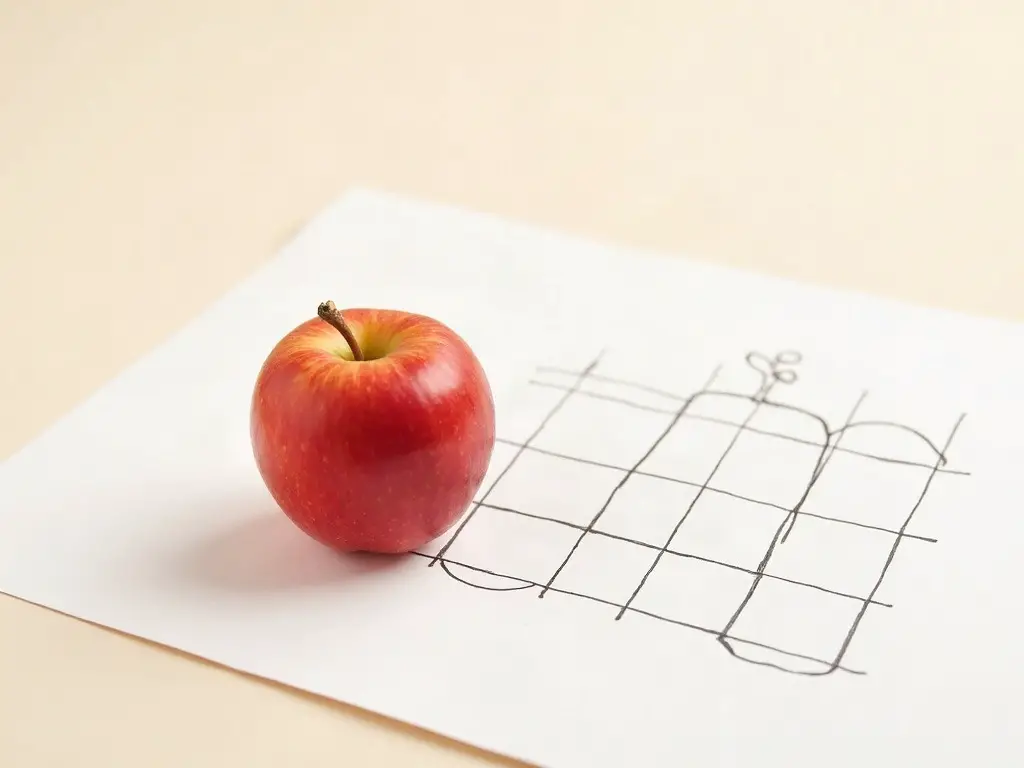
- Grid Drawing (ages 8-12). Copy a photo one square at a time to see shapes more clearly. Original example: a portrait. You need: a printed photo, ruler, pencil, drawing paper, eraser. How: Draw a grid over the printed photo, or on a copy. Draw the same grid, lightly, on your paper. Copy what you see in each square, then erase the grid. Source: Grid Drawing.
- Leaf Doodling (ages 4-12). Draw patterns right onto fallen leaves. You need: dry leaves, fine-tip markers or paint pens. How: Pick clean, dry leaves. Doodle patterns along the veins. Press the leaves in a book if you want to keep them. Source: Leaf Doodling.
- Micrography (ages 10-14). Draw a portrait using lines of tiny words. You need: pencil, fine black pen, paper. How: Sketch a face lightly. Write words following the contours of the face. Make the writing denser in the dark areas. Source: Micrography.
64. Andy Warhol Cans65. Double Cursive Tangling66. Alien Perspective Drawing67. Paul Klee Castles68. Banners
- Andy Warhol Cans (ages 8-12). Repeat a pop-art soup-can style drawing in different color schemes. You need: paper, pencil, markers or paint. How: Draw a can with a label. Repeat it in a grid. Color each one with different colors. Source: Andy Warhol Cans.
- Double Cursive Tangling (ages 8-13). Write a word in cursive twice so the loops overlap, then fill the spaces with patterns. You need: paper, pencil, fine black pen. How: Write a word in big cursive. Trace it again offset to the side so the letters overlap. Fill each section with a pattern. Source: Double Cursive Tangling.
- Alien Perspective Drawing (ages 7-12). Draw an alien and show distance with perspective. You need: paper, pencil, markers. How: Draw a horizon line. Draw a big alien in front and smaller ones behind it, closer to the horizon. Add planets and ground lines that converge. Source: Alien Perspective Drawing.
- Paul Klee Castles (ages 7-10). Stack colored shapes to make a castle in the style of Paul Klee. You need: paper, oil pastels, watercolor or tempera. How: Draw rectangles, triangles, and arches in oil pastel. Fill them with different colors. Paint over with watercolor if you like. Source: Paul Klee Castles.
- Banners (ages 10-16). Practice drawing banners and ribbons around lettering, a sketchnote skill. You need: pen, paper. How: Write your text first with plenty of space around it. Draw a ribbon shape around it, folding the ends back. Add shading and small tails. Source: Banners.
69. Cropped Face70. Drawing Negative Space71. Erase Your Face72. Metamorphosis73. Card Self Portrait74. Foreshortening
- Cropped Face (ages 12+). Draw only part of a face, such as eye and nose, large. You need: paper, pencil, a photo with a paper frame. How: Cut a rectangular window from paper. Move it over the photo to find a nice crop. Draw only what shows in the window, enlarged on your page. Source: Cropped Face.
- Drawing Negative Space (ages 11+). Draw the empty gaps around and between objects, a method taught by artist Josef Albers. You need: a chair or other object with gaps, pencil, paper. How: Choose an object. Look only at the empty shapes between its parts. Draw and shade those shapes until the object appears. Source: Drawing Negative Space.
- Erase Your Face (ages 12+). Cover paper in graphite, then draw a portrait by erasing the light areas. You need: paper, soft pencil or graphite stick, kneaded eraser, a photo. How: Rub graphite over the page. Use a kneaded eraser to lift out the bright parts of a face. Add dark lines with the pencil. Source: Erase Your Face.
- Metamorphosis (ages 12+). Draw one subject gradually changing into another. You need: paper, pencil, ruler. How: Draw one subject on the left and another on the right. Fill in 3 or 4 steps between them, changing a little each time. Source: Metamorphosis.
- Card Self-Portrait (ages 12+). Design a face card with a self-portrait. You need: paper, ruler, pencil, markers. How: Draw a card-shaped rectangle with a border. Draw a self-portrait in the center. Flip it for the bottom half like a face card and add suit symbols. Source: Card Self-Portrait.
- Foreshortening (ages 13+). Draw something pointing toward you, like a hand or a foot, so parts look shortened. You need: pencil, paper, a mirror or your own hand. How: Point your hand at your eye. Draw the large fingertips first and shrink the rest. Compare sizes to the shapes you see. Source: Foreshortening.
What are cool drawing ideas for teens?
75. Mandala76. Draw Lips77. Easy Tangle Drawing78. Cross Hatching79. Blind Contour Drawing80. Tangle Drawing Portrait81. Loose Line Landscape82. Looping Letters83. Giant Tree Drawing
- Mandala (ages 10+). Build a circular, repeating design from the center out. You need: compass or round plate, ruler, pencil, fine pens. How: Draw a circle and divide it into 8 equal wedges. Draw a small design in one section and repeat it in each of the others. Add rings outward. Source: Mandala.
- Draw Lips (ages 12+). A step-by-step lip drawing practice. You need: pencil, paper, eraser. How: Draw a curved center line. Add the shape of the upper lip and lower lip. Shade the shadows beneath and leave highlights light. Source: Draw Lips.
- Easy Tangle Drawing (ages 7+). Fill a page of sections with simple repeating patterns. Pairs with the free starter sheets linked here. You need: paper, pencil, fine black pen. How: Draw a few curved lines to divide the page. Fill each section with a pattern, like stripes or dots. Shade lightly with pencil. Source: Easy Tangle Drawing.
- Cross Hatching (ages 10+). Build darker values with crossing lines. You need: pencil or fine pen, paper. How: Draw parallel lines close together. Add a second layer crossing them. Add a third for the darkest areas. Try shading a sphere. Source: Cross Hatching.
- Blind Contour Drawing (ages 8+). Draw an object without looking at the paper. You need: paper, pen, an object, optional highlighters. How: Look only at the object and move the pen slowly as your eyes trace its edges. Don’t lift the pen or peek. When done, add color with highlighters. Source: Blind Contour Drawing.
- Tangle Drawing Portrait (ages 12+). Break a portrait into sections and fill them with tangle patterns. You need: pencil, fine pens, paper. How: Draw a simple portrait. Divide the face and hair into sections. Fill each with a different pattern. Source: Tangle Drawing Portrait.
- Loose Line Landscape (ages 10+). Draw landscapes quickly with scribbly lines. You need: pen or pencil, paper. How: Draw a horizon line. Scribble hills, trees, and clouds with loose lines. Don’t lift the pen for too long. Source: Loose Line Landscape.
- Looping Letters (ages 10+). Practice hand lettering with continuous loops. You need: brush pen or marker, paper. How: Draw rows of loops across the page. Try connecting them to form letters. Slow down and keep pressure light on upstrokes. Source: Looping Letters.
- Giant Tree Drawing (ages 12+). A large-scale tree drawing. You need: a big roll of paper or poster, charcoal or markers, tape. How: Tape the paper to a wall or floor. Draw the trunk from the bottom. Branch outward and add smaller branches. Source: Giant Tree Drawing.
84. Blackout Poetry85. Giant Tape Drawings86. Cool Line Design87. Rock Mandalas88. Grid Tangle Drawings89. Restaurant Sketch90. Copy the Spider91. Facial Feature Practice92. Extended Line Drawings
- Blackout Poetry (ages 10+). Black out most words on a page and draw around the ones left to make a poem. You need: a book page you can mark or a photocopy, black marker, colored pencils. How: Read the page and circle words that make a poem. Black out everything else. Draw around the remaining words. Source: Blackout Poetry.
- Giant Tape Drawings (ages 12+). Make big line drawings with tape on a floor, wall, or window. You need: painter’s tape or masking tape, a surface you have permission to use. How: Ask permission first. Use tape that removes cleanly. Plan a design, then stick down strips to draw it large. Peel off when finished. Source: Giant Tape Drawings.
- Cool Line Design (ages 10+). A meditative line design that you can color in. You need: paper, pencil, fine pen, markers. How: Draw a set of curved lines that cross. Look for the shapes they create and color them in. Source: Cool Line Design.
- Rock Mandalas (ages 10+ (not for under 3)). Doodle mandala patterns on smooth stones. You need: smooth stones, paint pens or permanent markers. How: Start with a dot in the middle. Add rings of petals and dots around it. Seal with clear spray outdoors if you want, with an adult handling the spray. Source: Rock Mandalas.
- Grid Tangle Drawings (ages 12+). Fill the squares of a grid with patterns to practice value. You need: paper, ruler, pencil, fine pens. How: Draw a grid of squares. Fill each with a pattern, from light to dark. Create a gradient across the page. Source: Grid Tangle Drawings.
- Restaurant Sketch (ages 12+). Quick sketches of the table and things on it while out. You need: a small sketchbook, pen. How: Sketch a glass, plate, or napkin. Work fast, and accept that things move. Source: Restaurant Sketch.
- Copy the Spider (ages 8+). Copy half a spider (or another symmetrical creature) and complete the other half. You need: paper, pencil, a printed half-spider or photo. How: Look at one side. Draw the other side as a mirror image. Add legs and shading. Source: Copy the Spider.
- Facial Feature Practice (ages 12+). Practice drawing eyes, noses, and mouths from magazine cutouts. You need: magazines, scissors, glue stick, pencil. How: Cut out facial features. Glue each onto a sheet. Draw the rest of the face around them. Source: Facial Feature Practice.
- Extended Linear Line Drawing (ages 12+). A long project using only line. You need: paper, pen. How: Pick a subject. Draw it using only lines of different weights, filling the page. Source: Extended Linear Line Drawing.
93. Random Circle Doodling94. Drawing Wood Grain95. Lined Paper Drawing96. Portrait- White on Black97. Marble Drawing98. Oil Pastel Fruit99. Small Landscape Series100. Tessellations
- Random Circle Doodling (ages 6+). Fill a page with circle doodles, like those in Wreck This Journal. You need: paper, pens. How: Draw circles of different sizes all over the page. Turn each into something, such as a flower, a planet, or a face. Wreck This Journal book and circle doodle ideas.
- Drawing Wood Grain (ages 12+). Colored-pencil practice drawing realistic wood grain. You need: colored pencils in browns, tan, and black, paper. How: Sketch long flowing lines. Layer light and dark brown. Add knots and cracks. Source: Drawing Wood Grain.
- Lined Paper Drawing (ages 10+). Use the lines on notebook paper as part of the drawing. You need: lined paper, pencil, fine pens. How: Draw shapes that sit on or follow the lines. Make the lines become hair, water, or ripples. Source: Lined Paper Drawing.
- Portrait: White on Black (ages 12+). Draw with white pencil or pastel on black paper. You need: black paper, white pencil or pastel. How: Sketch a face lightly. Add highlights where light hits it. Build up from there. Source: Portrait: White on Black.
- Marble Drawing (ages 10+). A sketchbook assignment using marbles. You need: paper, a few marbles, pen or pencil. How: Draw round marbles with highlights and reflections. Try the shiny glass look. Source: Marble Drawing.
- Oil Pastel Fruit (ages 12+). Draw fruit up close in oil pastel. You need: oil pastels, paper. How: Draw a big fruit that fills the page. Layer colors and blend them with a finger. Source: Oil Pastel Fruit.
- Small Landscape Series (ages 10+). Fill a page with several small landscape sketches. You need: sketchbook, pencil or pen. How: Draw 6 small boxes on a page. Fill each with a different landscape. Source: Small Landscape Series.
- Tessellations (ages 11+). Interlocking shapes that fit together without gaps. You need: paper, scissors, tape, pencil. How: Cut a notch from one edge of a square and tape it to the opposite edge. Trace the new shape repeatedly to cover the page. Source: Tessellations.
Teens will also like my 50 sketchbook ideas to use as warm-ups or more drawing ideas.

More cool drawing ideas here:
- Sketchbook Prompts
- Tangle Art and Drawing Games for Kids Book
- Easy Tangle Drawing
- Drawing Using Household Objects
Inspired by these drawing ideas? Check out my Drawing Games for Kids post, too.


Frequently Asked Questions
What do kids love to draw?
Kids tend to draw what they see and know: animals, family members, houses, vehicles, monsters, and favorite characters. Open-ended prompts like “draw a monster” or “trace this spoon and make it a tree” get even reluctant kids going.
What is the easiest animal to draw?
A fish is one of the easiest, because it is built from an oval and a triangle. Birds, cats, and snails (a spiral with a body) are also good first animals. Starting with basic shapes works for any animal.
How do you improve a child’s drawing?
Draw often, in short sessions, and from real objects. Observation ideas on this page, like contour drawing, grid drawing, and drawing a shoe, build skill quickly. Praise the effort, ask about the picture, and try new materials to keep interest up.
What can I draw for an 11-year-old?
Try contour line shoes, grid drawing, 3D letters, mandalas, or tessellations. These give older kids a clear method and a satisfying result. Thumbprint self-portraits and metamorphosis drawings add a creative twist.
What can my 10-year-old draw?
Ten-year-olds can handle speed drawing, parabolic curve art, name doodles, and perspective projects like the alien drawing. Let them pick one that matches their interests, from realistic to silly.
Does this page really have 100 drawing ideas?
Yes. The numbered lists run from 1 to 100, grouped by age: 0-5, young elementary, older elementary, and teens.
Comments
0 comments