

Once you have a spot for a kids’ art space or corner, the next question is how to keep the floor clean. This post started as a conversation with Twisterfish, who was planning to move her son’s art space from the kitchen into an unused front office.
Here are eight ways to protect a floor under a kid’s art project, from a washable plastic mat to a hand-painted floor cloth. Each has the materials, a rough setup time and the kind of mess it handles best, so you can pick one and get back to the glue and glitter.
Quick Pick: What to Put Under Kids’ Art Projects
| Option | Best for | Setup time | Materials |
|---|---|---|---|
| Splat mat | Younger kids, small tables | 1 minute | Ready-made washable mat |
| Plastic drop cloth (taped down) | One-off messy days, any age | 5 minutes | Plastic sheeting, painter’s tape |
| Painted canvas floor cloth | Permanent art room, ages 8+ to help paint | 1 weekend | Canvas or duck cloth, paint, water-based polyurethane |
| Linoleum remnant floor cloth | Heavy daily use | 1 weekend | Vinyl or linoleum remnant, paint, sealer |
| Tablecloth sealed with polyurethane | Quick DIY, no painting | 1 afternoon | Cotton tablecloth, clear water-based polyurethane |
| Outdoor rug | Paint and water play you can hose off | 5 minutes | Plastic or polypropylene outdoor rug |
| Interlocking foam tiles | Cushy floors, school-age kids | 15 minutes | Foam floor tiles |
| Modular carpet tiles | Large rooms, easy tile swaps | 30 minutes | Carpet tiles |
1. Splat Mats
Best for: younger kids who work at a small table.
A splat mat is a washable sheet made for art spills. Look for one that wipes clean and is big enough to reach past the chair legs. Here is one on Amazon. Most run on the small side, so they suit a younger kid who isn’t in a big, flinging-paint phase yet.


2. Plastic Drop Cloth, Taped Down
Best for: one-off messy days.
Clear plastic sheeting is cheap and covers a lot of floor. Tape every edge to the floor with painter’s tape, because loose plastic is slippery and easy to trip over, and a trip hazard is no fun when kids are carrying wet paint. Fold the cloth up with the mess inside when you are done.
3. How Do You Make a Painted Floor Cloth?
Ages: 8+ to help paint, an adult for the sealing. Difficulty: medium. Time: a weekend, because the paint and sealer need to dry between coats.
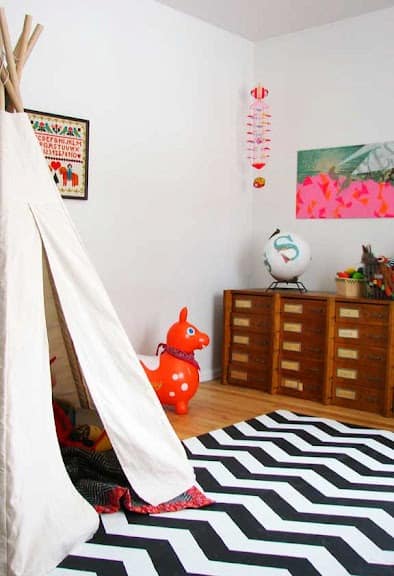
If you are a crafty sort, you can make your own floor mat by painting a piece of canvas and sealing it with polyurethane. Here are the Martha Stewart directions, and some slightly easier-looking directions here.
Materials: heavy canvas or duck cloth, acrylic or latex paint, painter’s tape, a wide brush, clear water-based polyurethane, and a drop cloth for your work surface.
- Cut the cloth a few inches larger than you want the finished mat, then fold the edges under and glue or hem them.
- Tape off stripes or shapes with painter’s tape and paint the design. Let it dry fully.
- Peel the tape, then brush or roll on several thin coats of water-based polyurethane, letting each coat dry as the can directs.
- Keep the mat off the floor until the sealer has cured per the label, then lay it down.
Work in a ventilated room and keep kids out of the area while the polyurethane is wet. Follow the label for dry and cure times.
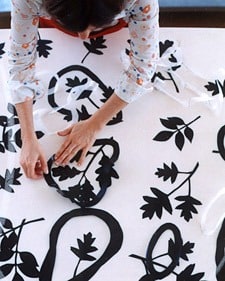
Option: use a linoleum remnant. Floor cloths are normally made with canvas or duck cloth, but some people paint the back side of a large piece of linoleum or vinyl flooring. Home improvement and flooring stores sometimes sell remnants.
4. Can You Seal a Tablecloth with Polyurethane?
Ages: adult project. Difficulty: easy. Time: an afternoon plus drying.
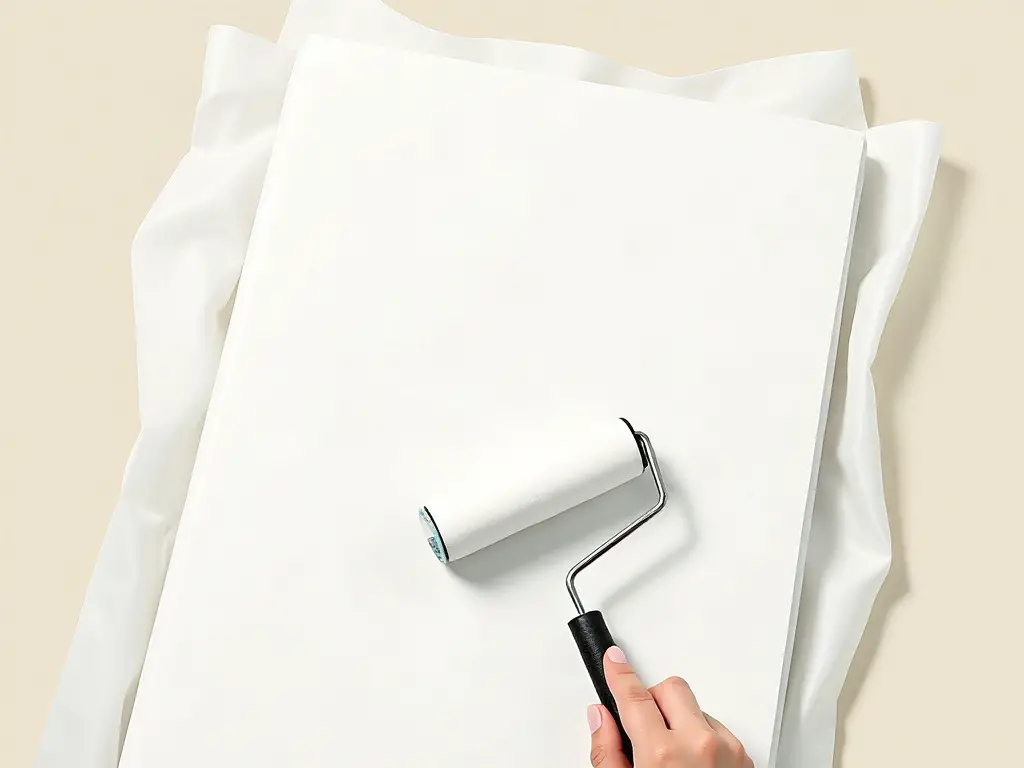
Yes, and it is an easier route than painting your own canvas. Roll clear, satin finish water-based polyurethane over a cotton tablecloth. You don’t have to design or paint anything. This project comes from Design Share, where the writer says the cloth wrinkles as you roll on the polyurethane but straightens out again when you lift it.
- Spread the tablecloth flat on a drop cloth.
- Roll on a thin coat of water-based polyurethane and let it dry.
- Add more thin coats as the label allows, then let it cure before use.
5. Outdoor Rugs
Best for: paint, water and clay play.
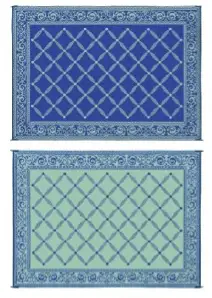
Outdoor rugs are a good option for art room floors. They are hose-offable, relatively inexpensive and lightweight, and many are reversible.
6. Interlocking Foam Tiles
Best for: a cushy, easy-to-wipe floor in a school-age kid’s space.
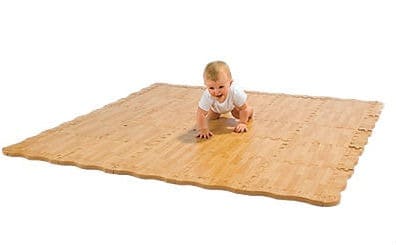
Interlocking foam mats are everywhere now. They are easy to clean and cushy, and you can buy as many or as few as you need. Wood-grain pieces like the ones below were featured by One Step Ahead (check that the product is still sold). Check the product label for the age rating, since small foam pieces can come apart and are a choking hazard for kids under 3.
7. Modular Carpet Tiles
Best for: a larger art room where you want a real rug look.
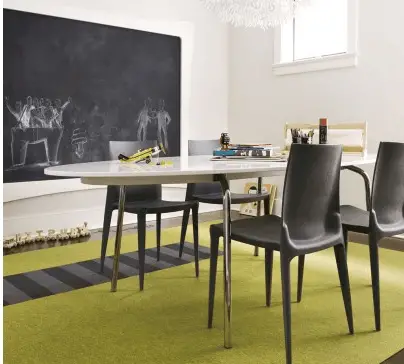
Flor makes carpet tiles that connect to form a rug as large or small as you want, in many colors and patterns. If one tile gets stained you can clean or replace just that tile.
Which Floor Protection Should You Pick?
- Work on a small table and want zero fuss: a splat mat.
- Paint a lot: a sealed floor cloth or an outdoor rug you can hose off.
- Want a permanent soft floor: foam or carpet tiles.
- Only need it once: a taped-down drop cloth.
Frequently Asked Questions
What should I put under my kid’s art project on the floor?
A washable splat mat, a taped-down plastic drop cloth or a sealed floor cloth are the simplest choices. Pick a mat that extends past the chair legs and tape down any loose edges.
What is the best flooring for a kids’ art room?
Hard-wearing, wipeable surfaces work best: a sealed floor cloth, an outdoor rug you can hose off, or interlocking tiles you can swap out when one is stained.
Can I use polyurethane on a tablecloth or canvas?
Yes. Use a clear water-based polyurethane in thin coats, work in a ventilated room and let it cure fully, following the label, before kids use it.
How do I keep a plastic drop cloth from slipping?
Tape all the edges to the floor with painter’s tape, or put the drop cloth under a table so the legs hold it in place. Loose plastic is a trip hazard.
Comments
0 comments
What a great idea. We don’t have an art space yet, but it’s part of our dream house for our next move. And I can’t believe I am not thinking of the floor and easy clean up. You think of everything! I think I am going for the Flor or the mats you buy. I am not that Martha Stewart-y to make my own.
Thank you! I’m so excited to finally get his new art/craft area up and running (taking advantage of his new found love of drawing) and will be trying soon on which type of floor mat to use … maybe the make your own on canvas idea. Sounds fun to do together!
Thank you for the awesome idea! Don’t you forget to send me pics along the way or after or both.
I’ve been wanting to make some floor mats forever, but alas I haven’t taken the plunge yet. I do love the Flor tiles, though.
These are all great ideas! The canvas mat wold be a fun project!
Those are some great ideas! Love the ability to make a creative drop cloth that is designed by YOU.
Wonderful ideas. Thanks for sharing.
Stopping by from SITS. Have a great weekend.