

Modern parents juggle many roles, and one of the most important is creating a home where children feel safe, comfortable, and supported. A well-planned home gives kids room to learn, explore, and grow without constant worry. Many families focus on stylish décor, but safety and function matter just as much. Small updates, smart layout choices, and thoughtful planning help parents cut risks while improving daily routines.
This guide walks you through the essential steps to build a home that protects your children and supports a stress-free family life.
Start With a Practical Safety Check of Every Room
Every safe home begins with a clear look at what needs improvement. Parents can walk through each room and pay attention to places where kids trip, reach unsafe objects, or struggle with daily tasks. Loose wires, unstable furniture, and sharp corners are common issues that show up during these checks. Many hazards seem minor at first, but they can cause problems when children move through the home without thinking about what is safe. When parents take time to inspect rooms with a fresh outlook, they uncover changes that simplify family life and prevent accidents.
Remodel the Bathroom
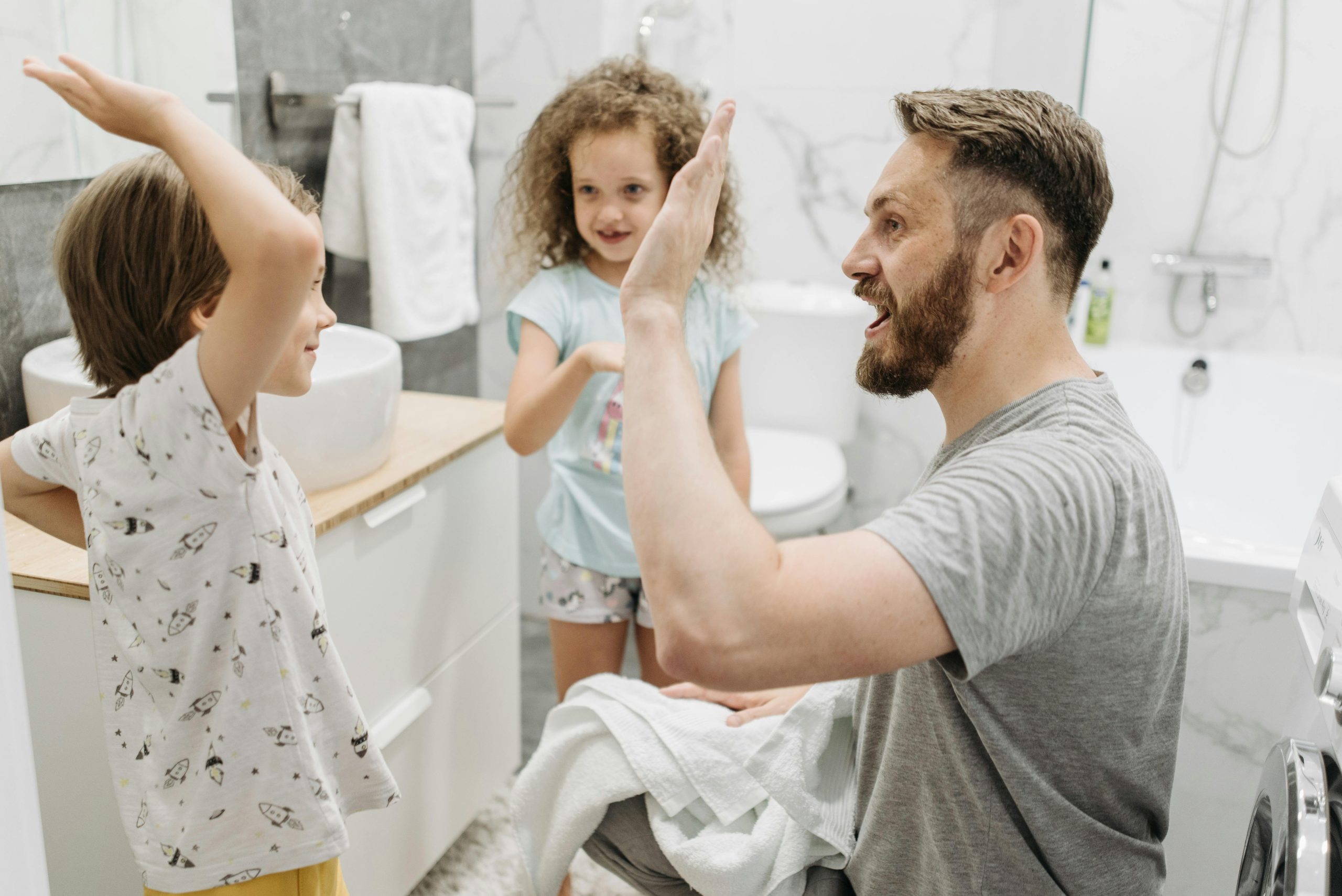
Kids use the bathroom many times a day, so this space should support simple routines and safe movement. A bathroom remodel allows parents to change the layout in ways that make sense for children. They can add non-slip flooring, easy-turn faucets, and soft-close toilet seats. Child-height drawers or shelves make it easier for kids to reach towels and bath products without climbing on unstable surfaces. A bathroom remodeling company brings valuable experience to the process. Professionals understand how to place fixtures correctly, choose safe materials, and design a layout that works for daily use. Their guidance saves time and reduces stress, especially for busy parents who want a clean and durable finish.
Ultimately, a well-planned bathroom gives children more independence while helping parents feel confident about safety.
Choose Kid-Friendly Flooring That Reduces Slips and Falls
Flooring plays a bigger role in safety than many people realize. Kids run, jump, play, and rush from room to room, so the floor should support movement without increasing risk. Cork, padded vinyl, and textured tile work well in homes with growing children. These materials reduce noise and offer a bit of cushioning, which helps when kids fall. Smooth surfaces may look appealing, but they can turn slippery when wet. Parents can look for floors that handle spills, resist wear, and stay stable under small feet. Kid-friendly flooring also makes cleaning easier, which is important for families with busy schedules and active routines.
Create Safe Play Zones That Keep Clutter Under Control
Children need space to play, explore, and use their imagination. A safe play zone gives them freedom while keeping messy items out of high-traffic areas. Parents can choose a corner of the living room, a section of the bedroom, or a dedicated playroom. The goal is to create a setup where toys, crafts, and books stay organized. Low shelves, soft bins, and storage that kids can reach help them learn responsibility while avoiding piles of clutter. A defined play zone also reduces hazards because children know where their items belong. This simple structure encourages healthier habits and prevents accidents caused by scattered toys or crowded floors.
Upgrade Lighting to Improve Visibility Throughout the Home
Good lighting helps children move around the home with confidence. Dim areas can hide obstacles or make it hard for kids to judge distance. Brighter task lighting in hallways, bathrooms, and bedrooms keeps them safe during evening routines. Motion-sensor lights help during late-night trips to the bathroom or kitchen. Night-lights also guide younger children who may still feel uneasy in the dark. Parents can improve safety and comfort with simple lighting upgrades that reduce shadows and brighten important spaces.
Secure Furniture and Heavy Items
Tall furniture can turn into a serious hazard when children grab, climb, or lean on it. Dressers, shelves, and TVs stand out as the most common risks. Parents can secure these items to the wall with anchors that hold firm even when pulled. This step keeps heavy pieces from shifting or tipping during play. Children often use drawers as steps or reach for items placed on top of a dresser, so a secure setup matters. Parents can also store heavier belongings in lower drawers and keep tempting objects out of reach. When the home has stable furniture, kids move around with fewer risks, and parents stay more at ease.
Set Up Safer Entry and Exit Areas for Everyday Routines
Entry areas handle a lot of movement throughout the day. Kids drop bags, place shoes in random spots, and rush in and out without slowing down. A safer entryway relies on good organization and stable surfaces. Slip-resistant mats help children keep their balance when they come in during rainy or snowy weather. Shoe racks encourage neat habits and reduce clutter that might cause a trip. Child-height hooks allow kids to hang jackets and backpacks without climbing or stretching. These small additions make the start and end of each day smoother and safer for the entire family.
Make the Kitchen a More Child-Safe Space
The kitchen holds sharp objects, hot appliances, and cleaning products, so parents need a setup that reduces access. Child locks work well on cabinets that store detergents or tools. You could even adjust the layout to place heavier or breakable items higher up and move safe items, like cups or snack containers, lower where kids can reach them without danger. Appliances with safety features, such as cool-touch surfaces or auto-shutoff functions, help prevent burns or accidents. A kitchen built with child safety in mind supports healthy habits and allows kids to join simple tasks without worry.
Improve Bedroom Safety
Kids spend many hours in their bedrooms, so comfort and safety should guide the layout. Stable beds, rounded furniture edges, and clutter-free floors reduce accidents, especially when children wake up during the night. Parents can add storage options that match a child’s height, which encourages clean-up and teaches responsibility. Soft lighting helps kids settle down at bedtime and makes nighttime movement safer. Window locks and cordless blinds offer protection without limiting sunlight during the day. A well-designed bedroom becomes a peaceful space that supports rest, routine, and independence.
A kid-friendly home grows with the family, and each thoughtful update builds a foundation that supports healthy routines and confident play. When parents take steps to make the home safer and more convenient for everyone, the home becomes a place that encourages growth and reduces stress. These changes guide children toward good habits and give parents a sense of calm as they move through busy days.
Comments
0 comments