


Smudging in drawing is the technique of rubbing pencil, graphite or charcoal marks with a finger, tissue or blending tool to blur and soften their edges. It turns harsh lines into smooth gradients of tone, which gives a drawing a softer, more dreamlike look. Fingertips, cotton swabs, tortillons and blending stumps all work.
Last updated: October 18, 2026. Facts checked against the sources listed at the end of this article.
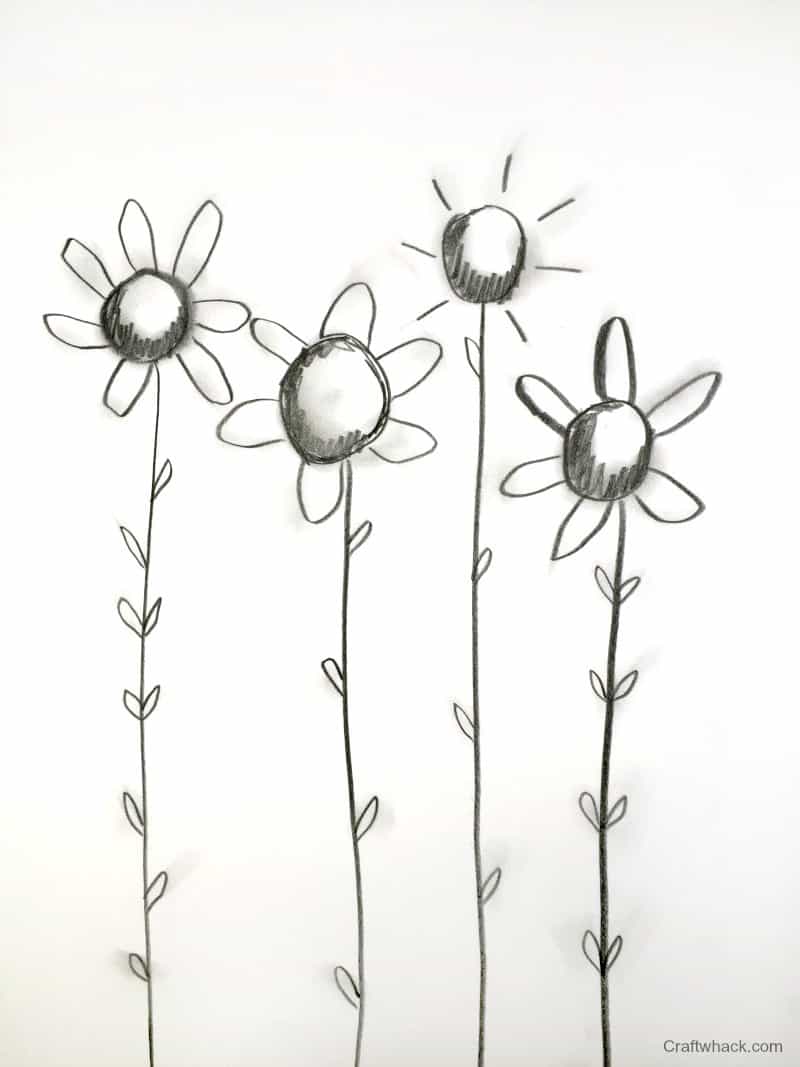
What the what am I talking about? The emotional art technique? Before you start flipping me off and throwing tomatoes at the screen for being melodramatic, hear me out:
When you draw with pencil, it can be lovely and soft, what with the romantic grey color and all. It’s not harsh like marker or pen; it’s a little slower- plus you can erase it so it’s not as intimidating to use as other mediums.
Are you starting to realize the emotional nature of pencils? Good. So then what happens when you take your finger and start smudging pencil around the page?
BIG FAT TEARS.
Smudging gives pencil an even softer quality, it jettisons your drawing right into dream territory, where everything seems as if it is being viewed just beyond the realm of consciousness. Okay, feel free to throw tomatoes at me now. In all seriousness, I have used smudging as a drawing technique since high school, and it was my absolute favorite thing to do back then.
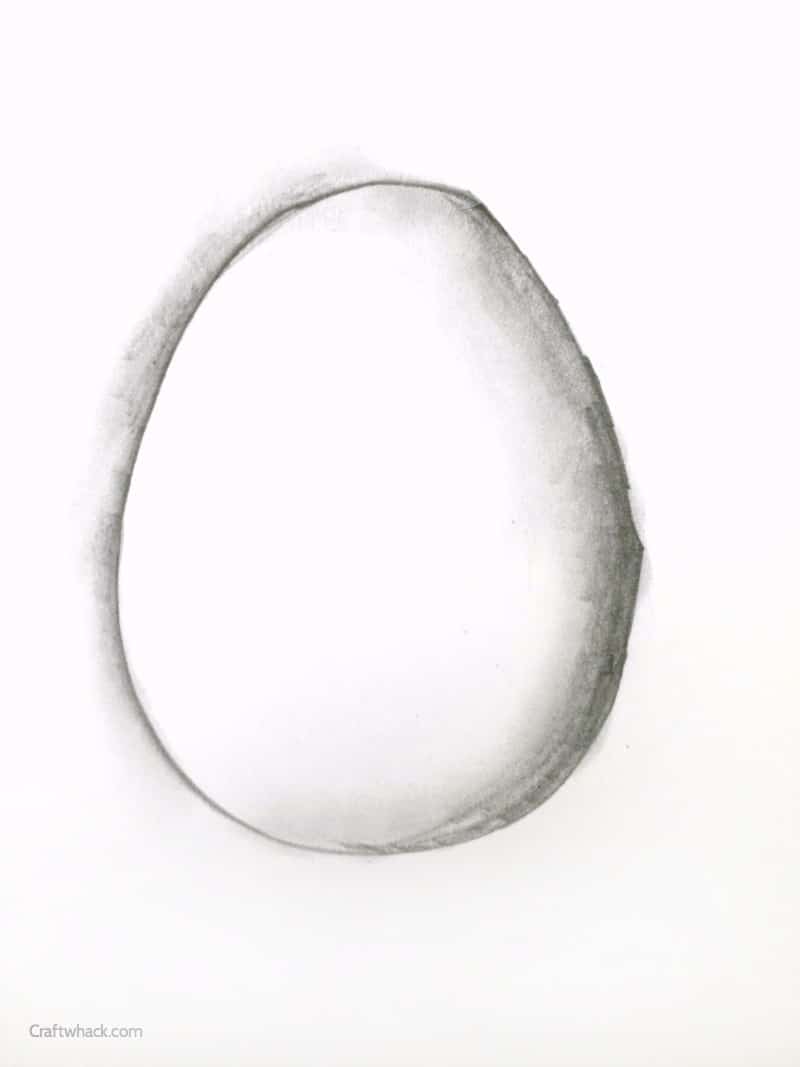
I haven’t smudged in a while, mainly because I haven’t been using much pencil lately, so let’s play around with smudging.
You can use your finger, or you can use a smudge stick (tortillon). I much prefer to use my finger, because the sensation of rubbing a smudge stick across paper makes me want to hurl. Your skin also lets out a tiny amount of oil as you are smudging with it, and I’m convinced there’s a difference in how this looks on paper as opposed to the smudge stick.
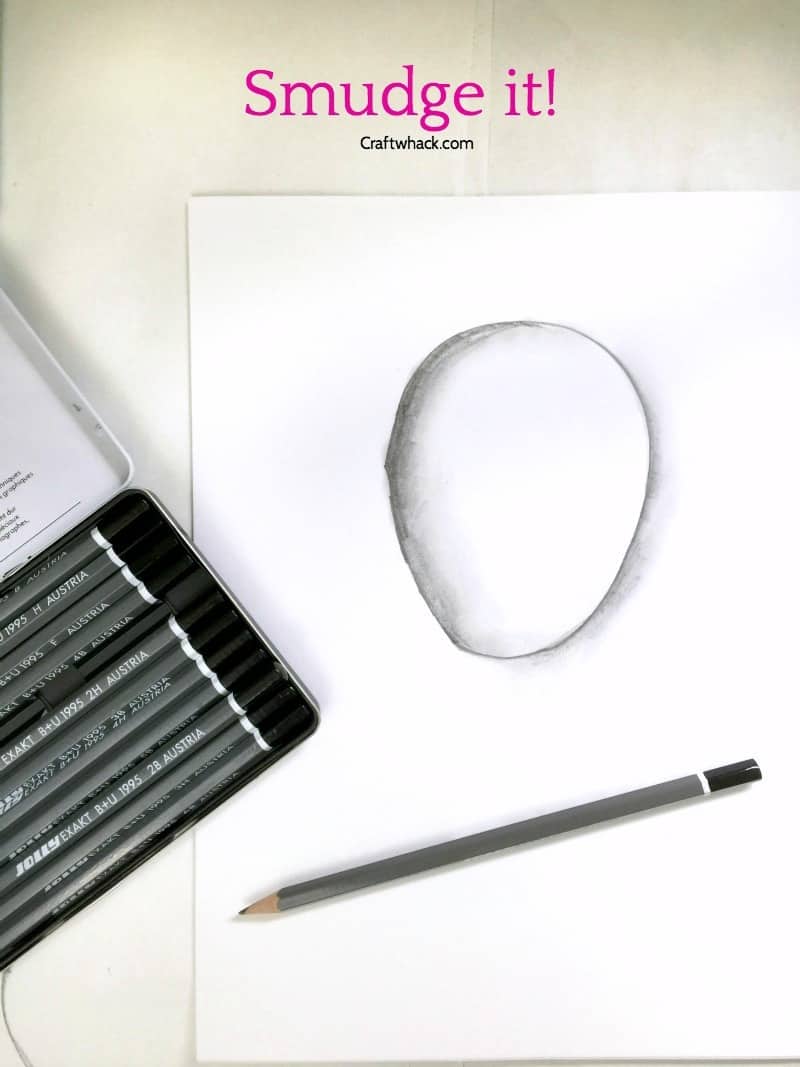
How do you smudge a pencil drawing?
You smudge a pencil drawing by shading first, then rubbing the graphite with a finger or blending tool so the edges soften:
- Shade your drawing in pencil, laying down enough graphite that there is something to move around.
- Pick your tool: a fingertip or tissue for big soft areas, or a tortillon (smudge stick) or cotton swab for small ones.
- Rub the pencil marks gently, working out from the darkest areas so the tone fades smoothly into the paper.
- Wipe your finger or tool before you touch a light area, because graphite on it will darken whatever it touches next.
| Tool | What it is | Notes |
|---|---|---|
| Fingertip | Your own finger | My favorite. Fingers get dirty, and skin oil may change how the smudge looks |
| Tissue | Soft paper tissue | Listed by Oak National Academy as a smudging tool for blurring edges |
| Cotton swab | Cotton on a stick | Fine enough to smudge very small areas (Oak National Academy) |
| Tortillon (smudge stick) | A small stump of tightly rolled gray or white paper, usually pointed at one end | Used to blend charcoal and pastel (Fitzwilliam Museum) |
| Blending stump | A cigar-shaped tool of tightly rolled leather, paper or felt, often pointed at both ends | Blends or smudges charcoal, soft pencil, pastel, chalk or crayon (Getty) |
Two things:
When you smudge pencil with your fingers, they will get dirty and they will ache a little. But remember, no pain no gain. You suffer for your art, or die a lonely death under a bridge somewhere wishing you had been brave enough to finger-smudge.
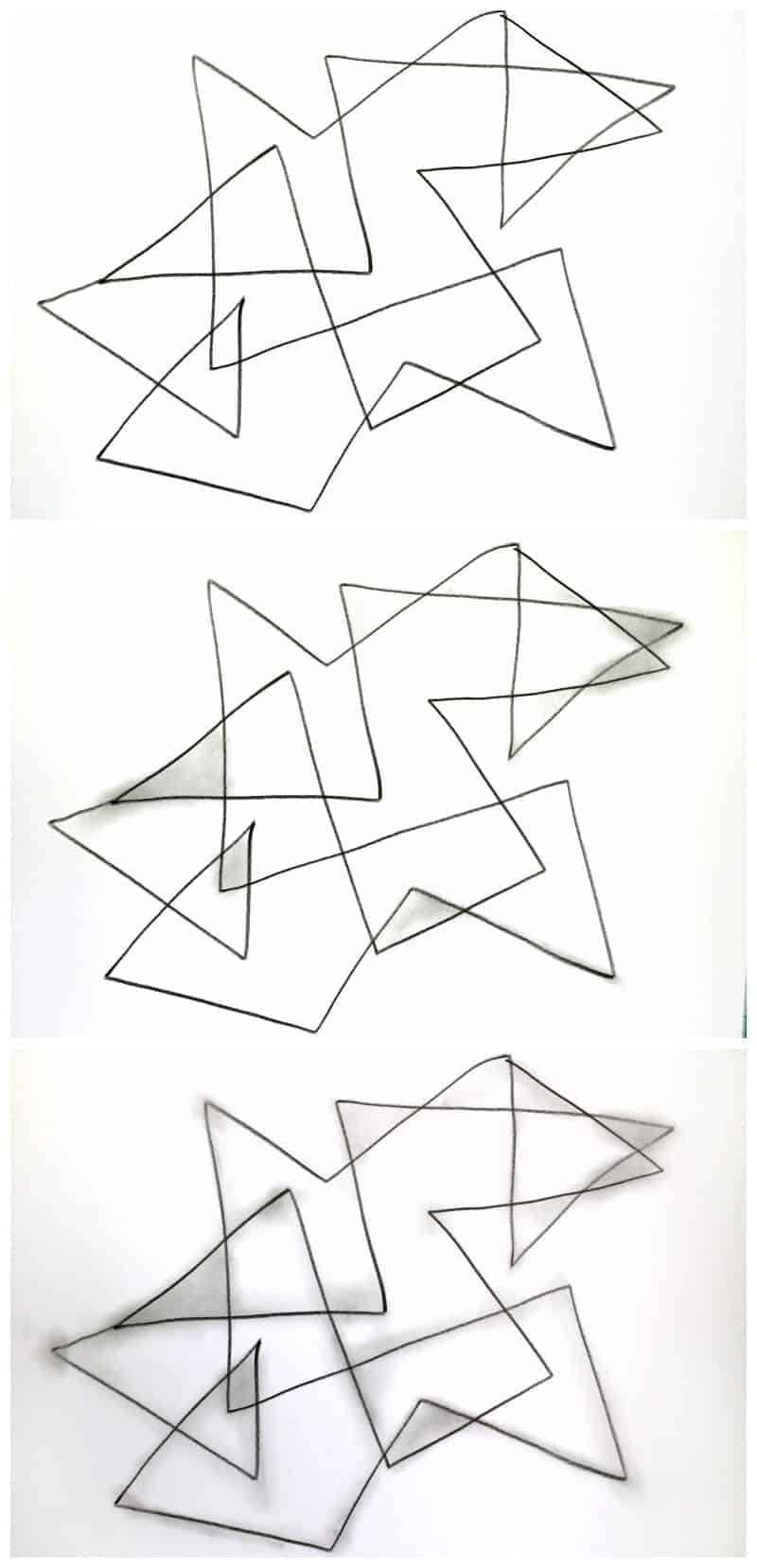
Want to see what I mean, anyway, about the emotional difference in pre vs. post-smudging? This totally harsh geometric drawing can be softened up dramatically with a bit of smudging. Isn’t that cool?
Frequently Asked Questions
What is smudging in drawing?
Smudging is a drawing technique where you rub marks to blur and soften their edges instead of leaving crisp lines. Oak National Academy defines it as using fingers, blending stumps or tissue to blur and soften marks, and notes it is mostly about tonal gradients, the smooth shift from dark to light.
How is the smudge technique achieved in drawing?
You achieve the smudge technique by shading an area in pencil or charcoal, then rubbing over it with a fingertip, tissue, cotton swab or paper stump. Work out from the darkest marks so the tone fades gradually, and wipe the tool before touching light areas so you don’t drag graphite where you don’t want it.
What is a smudge stick in drawing?
In drawing, a smudge stick usually means a tortillon, a small pencil-shaped tool for blending. The Fitzwilliam Museum terminology record describes tortillons as small stumps of tightly rolled gray or white paper, usually pointed at one end only, used to blend charcoal and pastel. It is not the same as a burning bundle of herbs.
What is a blending stump in art?
A blending stump is a drawing tool for smoothing and smudging marks. The Getty Art & Architecture Thesaurus describes stumps as cigar-shaped implements, often pointed at both ends, made of tightly rolled leather, paper or felt, and used to blend or smudge charcoal, soft pencil, pastel, chalk or crayon. A tortillon is a smaller kind of stump.
What is the difference between blending and smudging?
The two overlap: smudging is one way of blending. Oak National Academy uses smudging for blurring and softening the edges of marks, and says tools such as blending stumps, cotton swabs, brushes or a fingertip can be used to blend dry materials. Blending is the goal, smooth tone, and smudging is the rubbing that gets you there.
Are you crying yet? There, there, my weepy little artist friend. Go smudge something, post it on Instagram, and tag me.
Check out my cross hatching technique post and the wonderful world of pointillism here.
Sources
- Oak National Academy, lesson “Hand rendered working methods: dry media” (smudging defined as using fingers, blending stumps or tissue to blur and soften marks; tonal gradients; cotton swabs for very small areas; tools change the degree of control). Read October 18, 2026.
- Getty Art & Architecture Thesaurus, “stumps” (cigar-shaped, often pointed at both ends, tightly rolled leather, paper or felt; blend or smudge charcoal, soft pencil, pastel, chalk, crayon). Read October 18, 2026.
- Fitzwilliam Museum, terminology record “tortillons” (small stumps of tightly rolled gray or white paper, usually pointed at one end; used to blend charcoal and pastel). Read October 18, 2026.
Comments
0 comments
Makes me want to run off for pencil and paper. You post inspire me. Thanks?
Smudge away! I’m glad they inspire you, and thanks so much for your comments- 🙂
Hmm… I just bought my daughter a pile of of those torchon smudge sticks because they sell them crazy cheap at Walmart. Rethinking that…